Are you planning to get a pet but don’t know what to get? Well, this is the perfect article for you! You will be asked questions, which, depending on your answer, will lead you to certain pets! So let’s get into this! DISCLAIMER: This article is not meant to count as research. After choosing your perfect pet with this article, it is required to do further research to be able to provide a healthy and happy life for your future pet.
Starting off, you will need to consider your allergies. Are you allergic to fur or feathers? You may even have an allergy to pet dandruff which means that you won’t be able to keep any mammals or birds. Anyhow, if you have allergies (or believe you may develop some), go down to number 1. If not, go to number two.
1. Having allergies limits your possible pet options by a lot. Here I will be talking about reptiles, amphibians, insects, and fish.
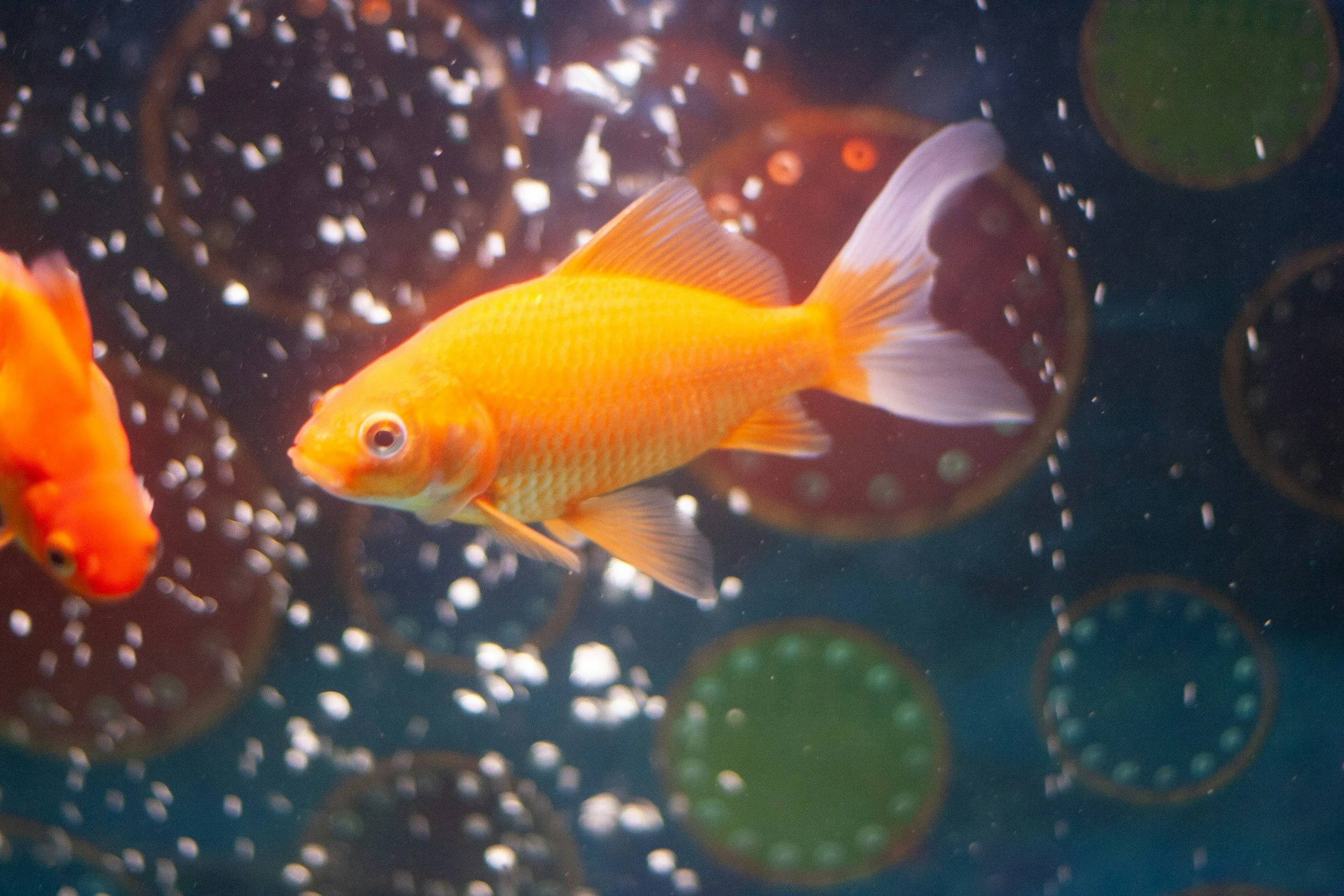
Fish + Aquatic Animals: Fish are one of the easiest pets to take care of. However, it depends, how many you have. I have a 55-gallon fish aquarium, which is costly, needs to be constantly monitored and tested, and requires lots of research. You may want to start with something like a betta fish or a goldfish, which are hardier than most fish. You definitely do not want to start with saltwater tanks. Another good aquatic animal is an axolotl; turtles are also a good option, but are a bit harder to take care of if you are not experienced with reptiles. Also, certain species of turtles are aggressive and may kill other fish you have in your tank; they also take up a lot of space. Axolotls will need to be fed live worms, which are a dealbreaker for some people. Finally, certain types of aquatic frogs can be kept in tanks with your fish, like the African Dwarf Frog, yet you should make sure that they are compatible, as certain fish are aggressive.
Insects+Bugs: If you feel fine having creepy crawlies as a pet, then they are a great option. Insects are generally very low maintenance, meaning that they are easy to keep and they don’t occupy too much space. Another plus is that they don’t take up too much space. However, keep in mind that many insects are venomous, such as tarantulas, and if you have sensitive skin, you may have trouble handling your bug. Also, if you are a frequent traveller, some insects may not be for you. It is generally harder to find somebody willing to take care of your insect, and many insects, such as millepedes, require daily misting with water to regulate their humidity.
Reptiles+Amphibians: Reptiles are amazingly intelligent pets. There are lots of cool reptiles to choose from depending on your personal preferences. You can have a snake, gecko, lizard, iguana, and more! However, reptiles' diets may be something to set you off. Most snakes (unless you get an egg-eating snake) require frozen mice as food. And most geckos and lizards require live insects. Reptile set-ups can also be costly because of all of their necessities, such as a UVB bulb. If this is all fine with you, then reptiles are an amazing choice!
2. Great, you don’t have allergies! Below are some animals that could be perfect for you
Birds: Birds are amazing pets; they can talk, sing, and are very intelligent. They are also well known for being sociable and friendly with their owners. However, they take up a lot of space and are not recommended for young children, as they may not know how to handle them properly. They also require daily cleaning and several hours out of their cage in addition to plenty of enrichment. If you can provide all of these things, then a bird is a great choice.
Dogs+Cats: I think we all know about dogs and cats; they are the most popular pets! Even though both dogs and cats are amazing pets, they take up a lot of time. So if you don’t have free time to spare, then dogs or cats are probably not for you. Even though cats are more low-maintenance than dogs, they still require a lot of time. And, the costs of a dog or a cat are insane as well.
Rodents+Ferrets+Bunnies+Sugar Gliders: These are amazing and generally low-maintenance pets. These animals also tend to be cheaper, so if you have a tighter budget, then they are a great option. However, they require fresh fruits and vegetables and have a strong and potent smell that irritates some individuals.
Next, you will need to consider costs, how much money you have, and how much money your family is willing to spend. Here is a list of the types of pets mentioned previously and their average yearly costs.
Fish+Aquatic Animals: Costs vary and can cost as little as $40 for goldfish, $200 for tropical fish, and even $300 for saltwater tanks. This does not include original costs.
Insects+Bugs: Some insects and bugs may be more expensive than others, with the lowest costs being around $10 and up to around $40 or more.
Reptiles+Amphibians: Reptiles and Amphibians original setups can cost $100-$500 or more, and ongoing costs and around $100 a year.
Birds: Bird costs are quite different and can range from $20 for a finch, to hundreds of dollars for medium-sized birds like conures, thousands of dollars for other large birds like types of macaws like African Grey Parrots. Yearly costs can range from $100 $500 to thousands of dollars, depending on the age and type of bird.
Dogs+Cats: Dogs and Cats can cost hundreds to thousands of dollars for original purchases, and annual costs can go up to around 3,000 dollars.
Rodents+Ferrets+Bunnies+Sugar Gliders: Initial costs can be around $50 dollars and go up to
Finally, you will need to consider how often you travel and if you have somebody to take care of your pets while you are away. You will also need to keep in mind how much time you have to spend with your pet, because certain pets can get depressed if you do not spend enough time with them. Also, personality is a key factor in choosing pets. Do you want a calmer or more active pet, or do you prefer a certain species of animal? And, of course, are there any pets you’re scared of? If so, don’t get them. I hope this helped you decide what pet to get, and I hope you enjoy your future pet!